How the river shaped Vienna's past and present
From Roman frontier waters to contemporary urban waterfronts, Vienna's story flows with the Danube.
Table of Contents
From frontier settlement to imperial city
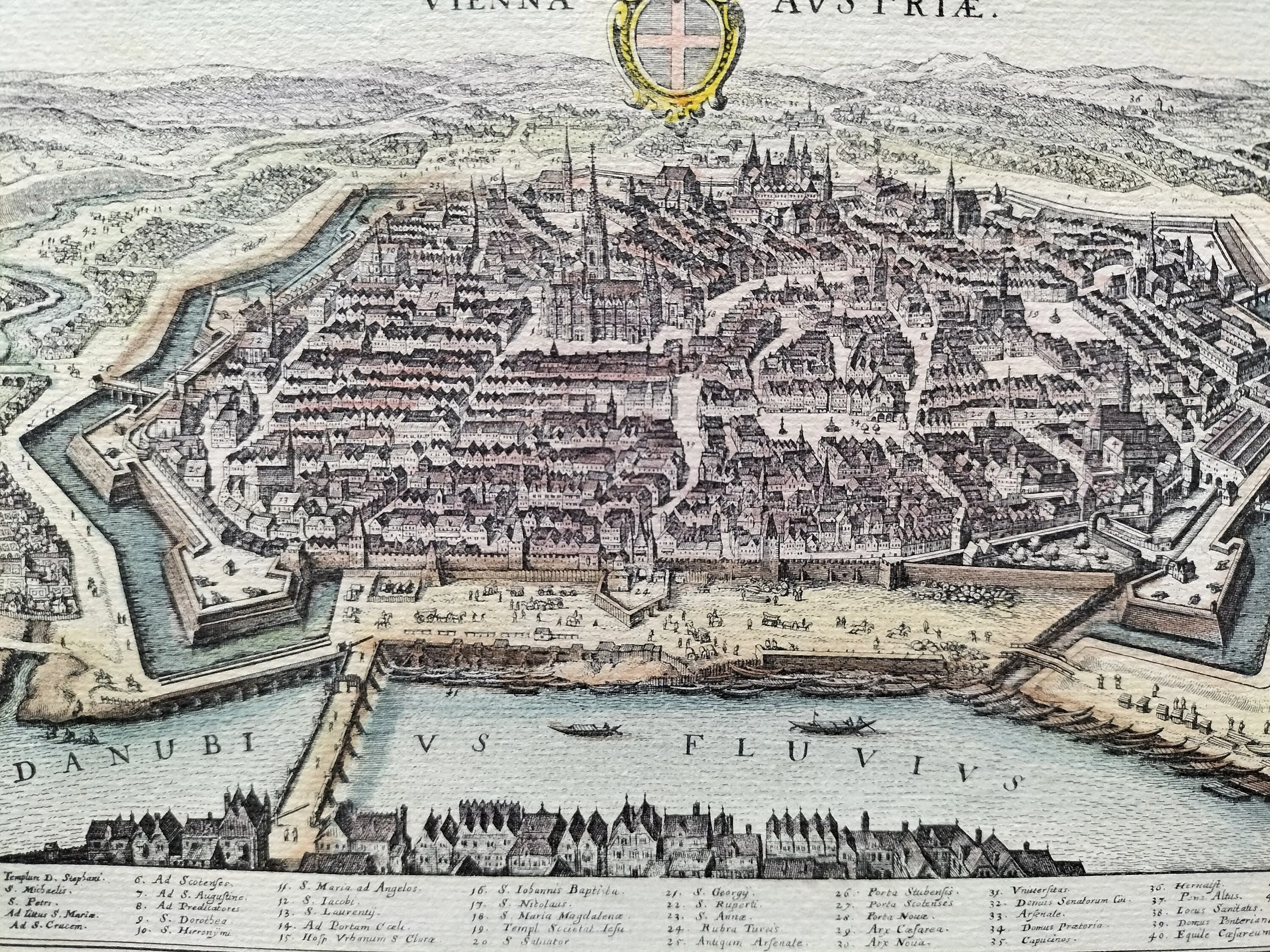
Long before Vienna became synonymous with imperial palaces and concert halls, its fate was tied to water. In Roman times, nearby river corridors served as strategic boundaries and movement routes along the edge of the empire. Settlements grew where transport, defense, and trade overlapped, and over centuries these practical concerns evolved into an urban identity. What later became Vienna did not rise in isolation from the river landscape; it emerged because rivers linked people, goods, and ideas across Central Europe.
As dynasties rose and political power concentrated, Vienna transformed into a major administrative and cultural center, yet the river remained a constant force behind that growth. Grain, timber, stone, wine, and craftsmanship all moved through river-connected systems. By the time the Habsburg court projected Vienna as an imperial capital, the city had already learned a durable lesson: control of movement, access, and waterways was as important as monumental architecture. A modern cruise, quiet and comfortable as it may feel, still follows this deeper geography of connection and influence.
The Danube before modern regulation
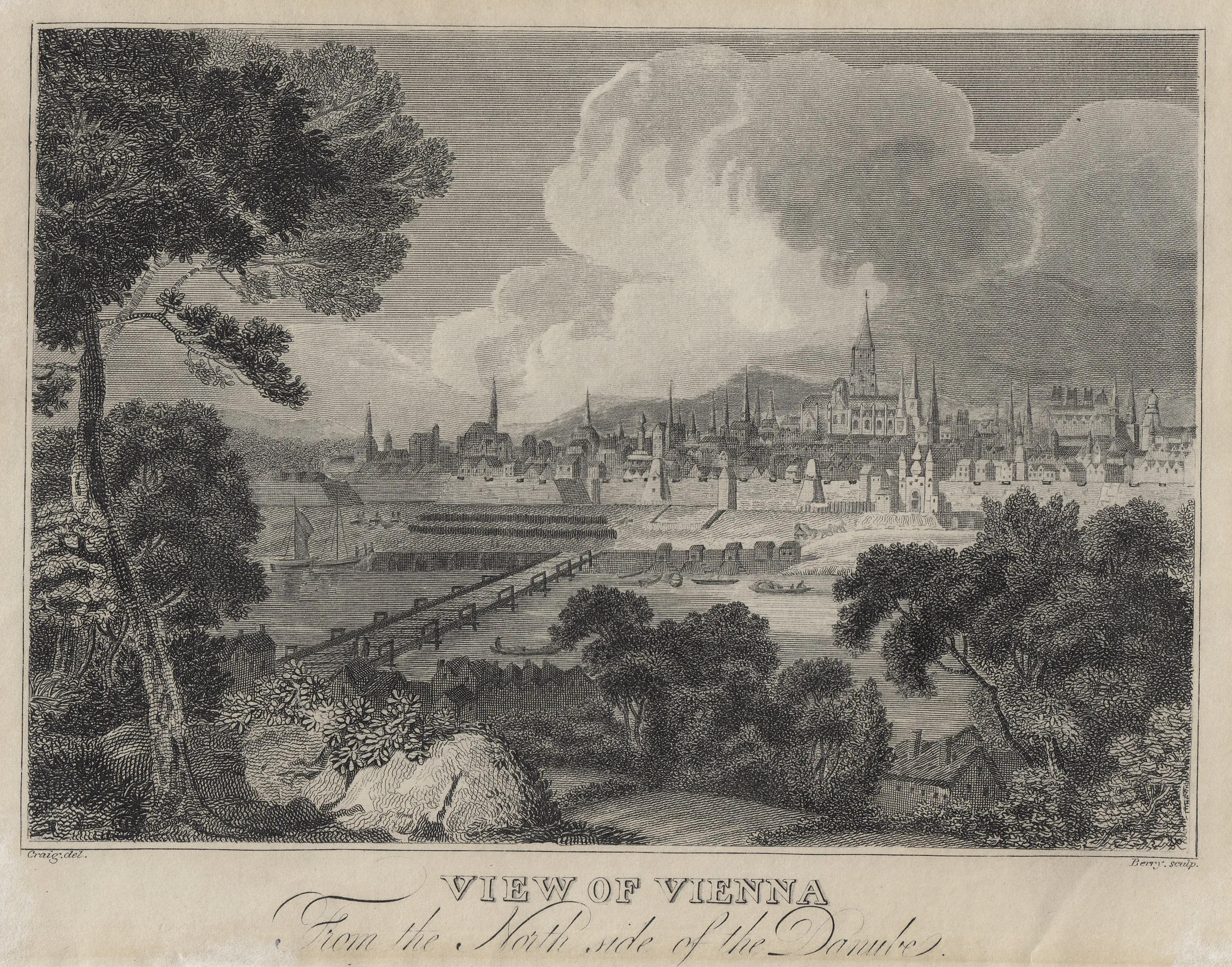
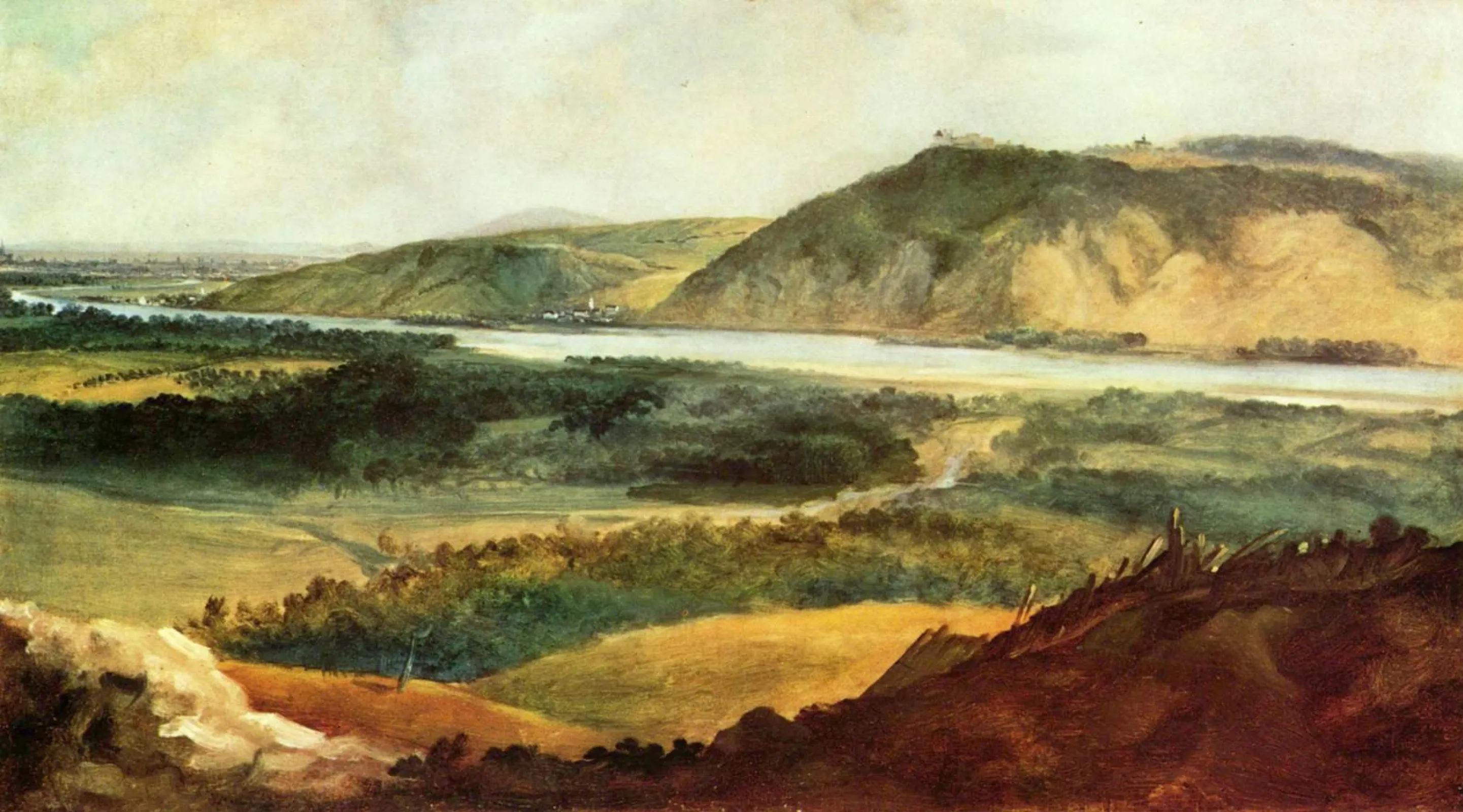
The Danube once behaved very differently around Vienna. Before large-scale engineering regulation in the nineteenth century, the river spread through multiple channels, shifting banks, floodplains, and islands. Communities adapted as best they could, but unpredictability was part of life. Seasonal floods could damage infrastructure, alter trade routes, and reshape local settlement patterns in a matter of days.
This unstable river system created both hardship and opportunity. Fertile floodplain areas supported agriculture, while changing channels offered transport access in some years and blocked it in others. Over time, the need for reliability became urgent, not only for safety but for economic planning. Understanding this earlier, wilder Danube helps modern visitors appreciate why Vienna invested so heavily in hydraulic engineering and why contemporary cruise routes feel so controlled compared with the historic river landscape.
Canals, trade and the making of neighborhoods
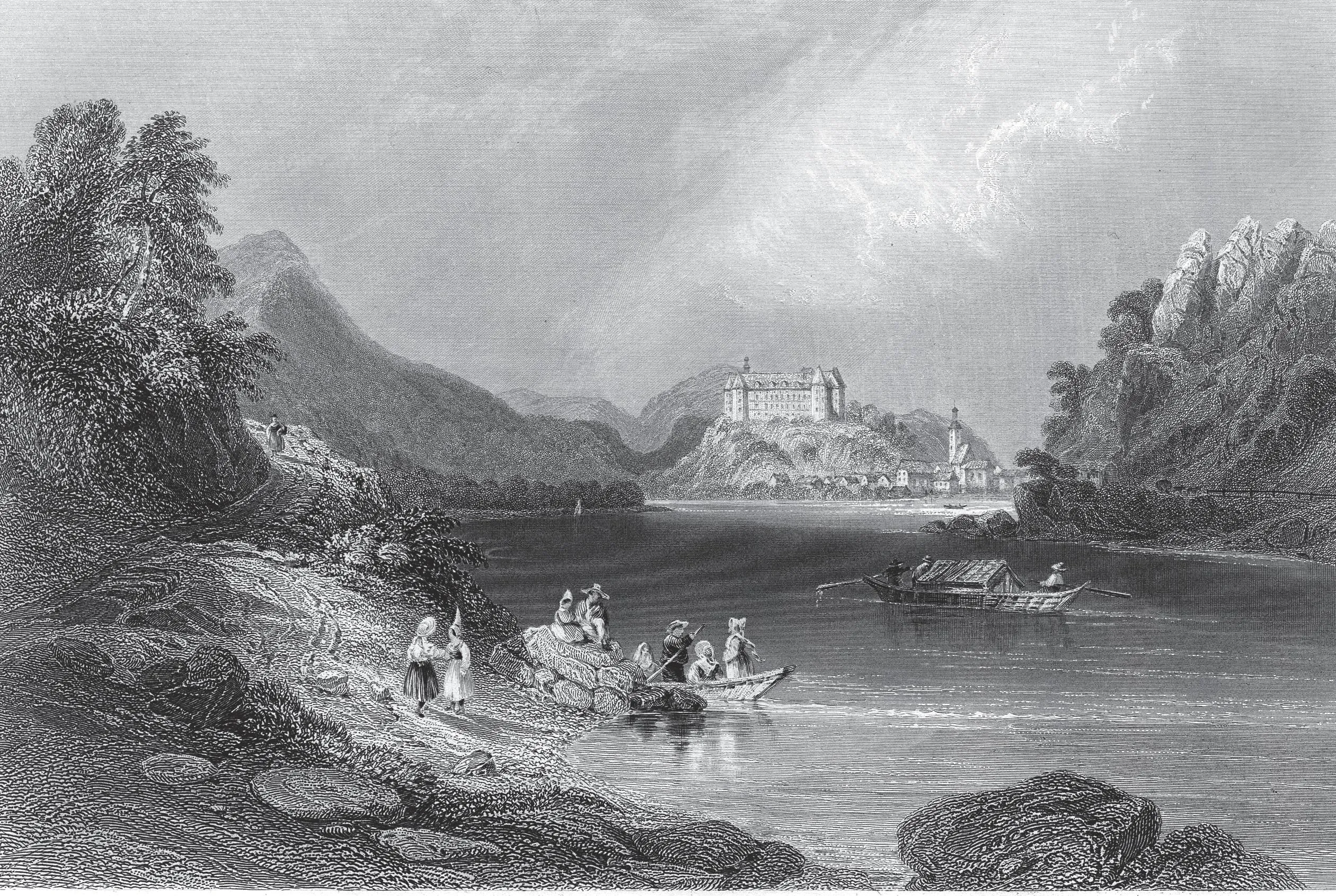
The Danube Canal played a crucial role in shaping urban Vienna. More than a scenic waterway, it acted as a commercial spine where goods arrived, were exchanged, and moved inland. Warehouses, workshops, taverns, and service trades clustered nearby, giving districts along the water a practical, industrious character that differed from ceremonial imperial boulevards.
As trade intensified, these waterfront zones became socially layered places where merchants, laborers, craftspeople, and travelers crossed paths daily. Over generations, utilitarian river spaces gained cultural texture, and many former working zones later evolved into lively mixed-use neighborhoods. When you cruise here today, passing murals, terraces, and restored embankments, you are seeing a landscape that has repeatedly reinvented itself while preserving the memory of commerce and movement.
Bridges, mobility and city expansion
Bridges changed Vienna's internal logic. Each new crossing reduced separation between districts and made labor, housing, and services more mobile. What had once felt peripheral became connected, and city growth accelerated outward in new patterns. River crossings were not just technical solutions; they were social and economic multipliers that redefined access.
From a cruise deck, bridges can seem purely scenic, but historically they represented commitment, capital, and political intent. They linked markets, rail corridors, and later road systems, supporting Vienna's transition from imperial center to modern metropolis. Watching contemporary traffic move above your vessel is a reminder that river infrastructure is never static: each generation builds on inherited routes to solve new mobility needs.
Flood control and engineering transformation
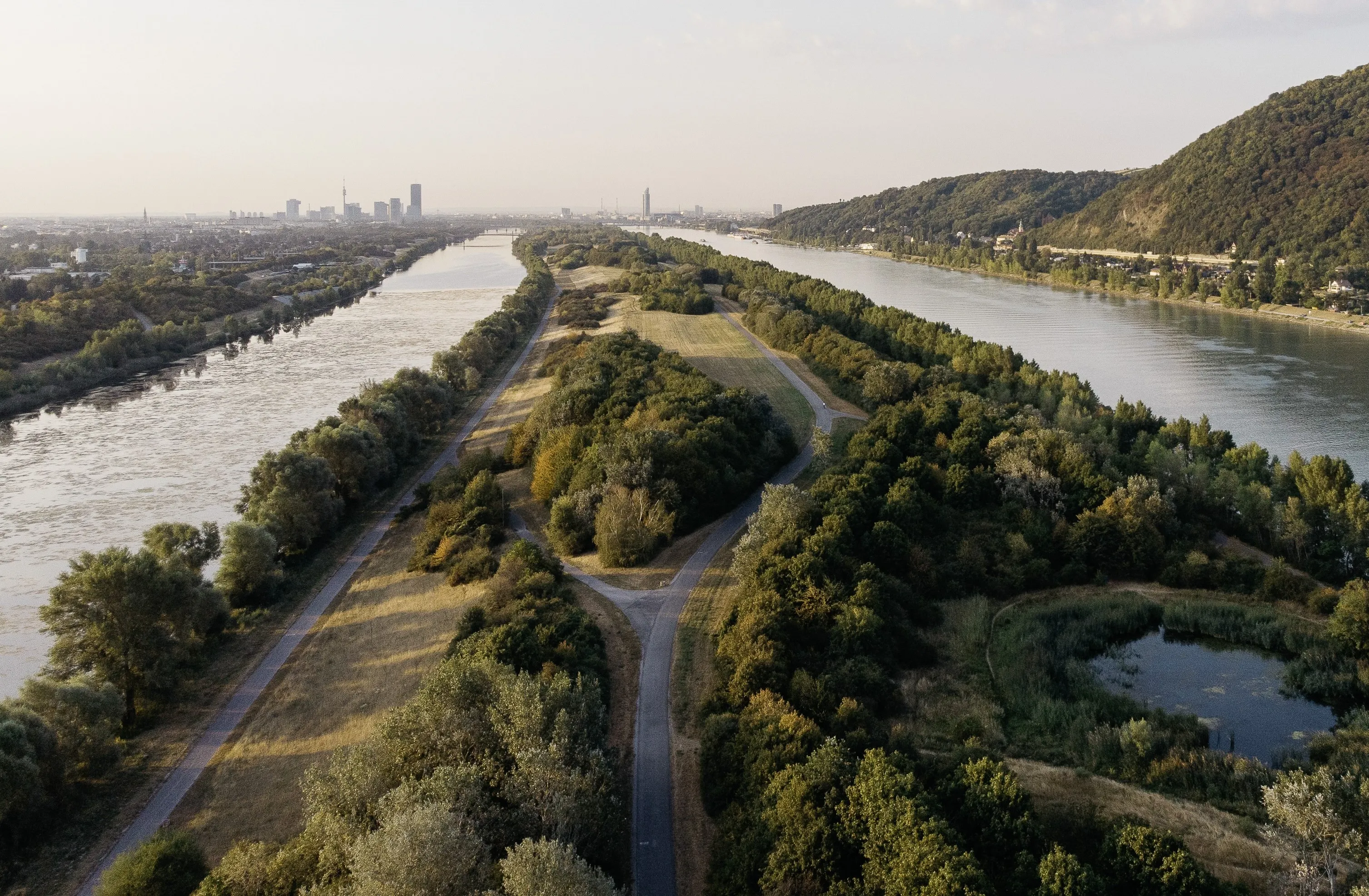
Few chapters in Vienna's river history are as consequential as flood control. Large-scale works, including channel regulation, embankments, and later protective systems, were designed to reduce risk while improving navigability. These projects demanded decades of planning, funding, and technical experimentation, and they permanently transformed both the physical river and the city's sense of security.
The result was not merely protection from high water. Regulated channels enabled more predictable transport, supported new development, and made long-term waterfront planning possible. In effect, Vienna converted a fluctuating hazard into managed urban infrastructure. Modern cruise comfort, from steady routes to scheduled departures, depends on this historical engineering legacy that is easy to overlook but foundational to the experience.
Imperial culture and waterfront leisure
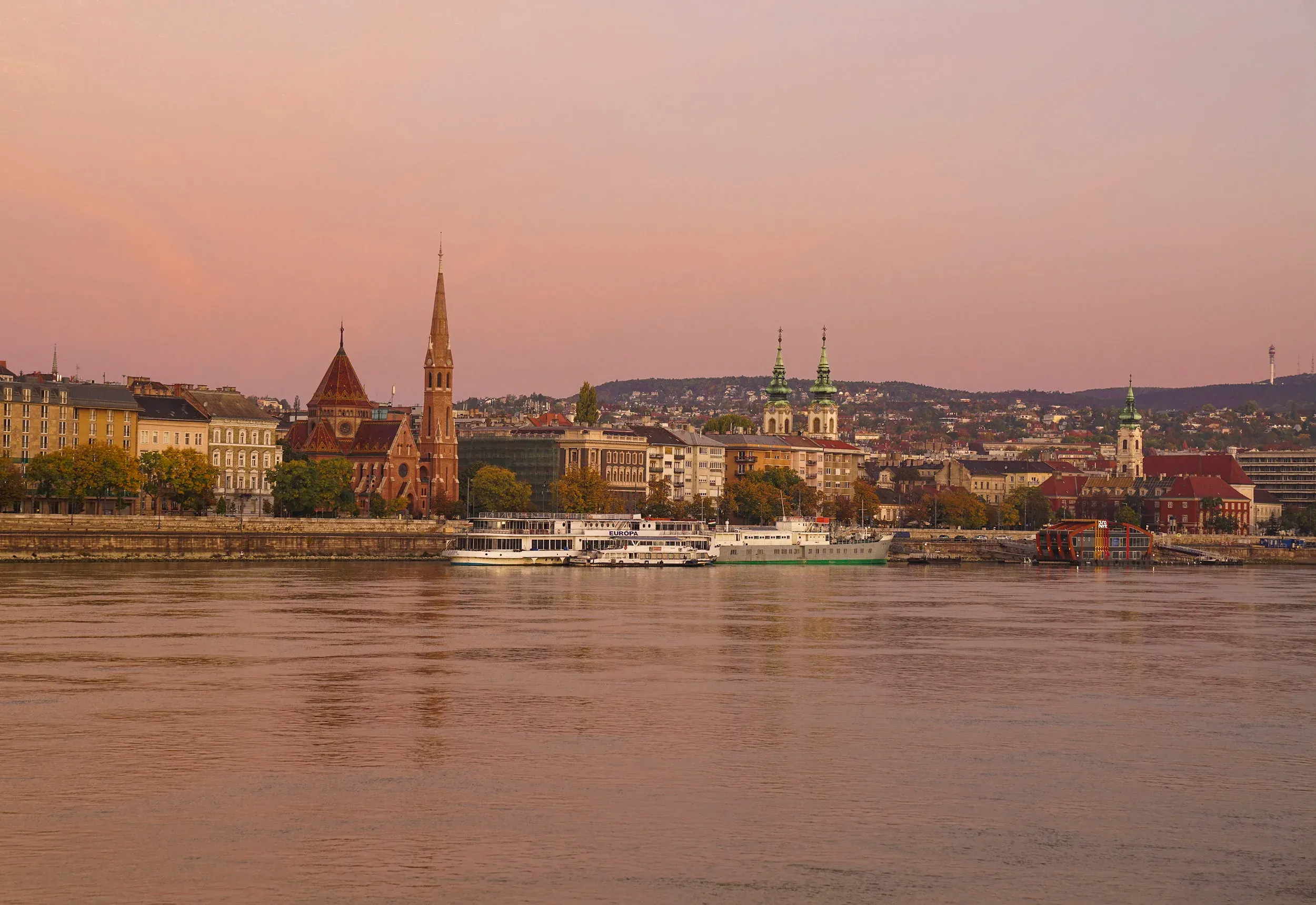
Imperial Vienna is often imagined through palaces, opera houses, and ceremonial avenues, yet leisure by the water also formed part of urban life. Promenades, river views, and social outings along waterfront areas offered alternatives to courtly spaces. Over time, riverside settings became places where different social groups shared public life, whether through festivals, music, cafes, or simple evening walks.
This blending of culture and river space still shapes Vienna's atmosphere today. A cruise may include refined dining, live music, or quiet observation from an open deck, but beneath those modern experiences is a longer tradition of using water as a stage for civic identity. The river is not outside Vienna's cultural narrative; it is one of its most persistent backdrops.
War, reconstruction and a new urban river
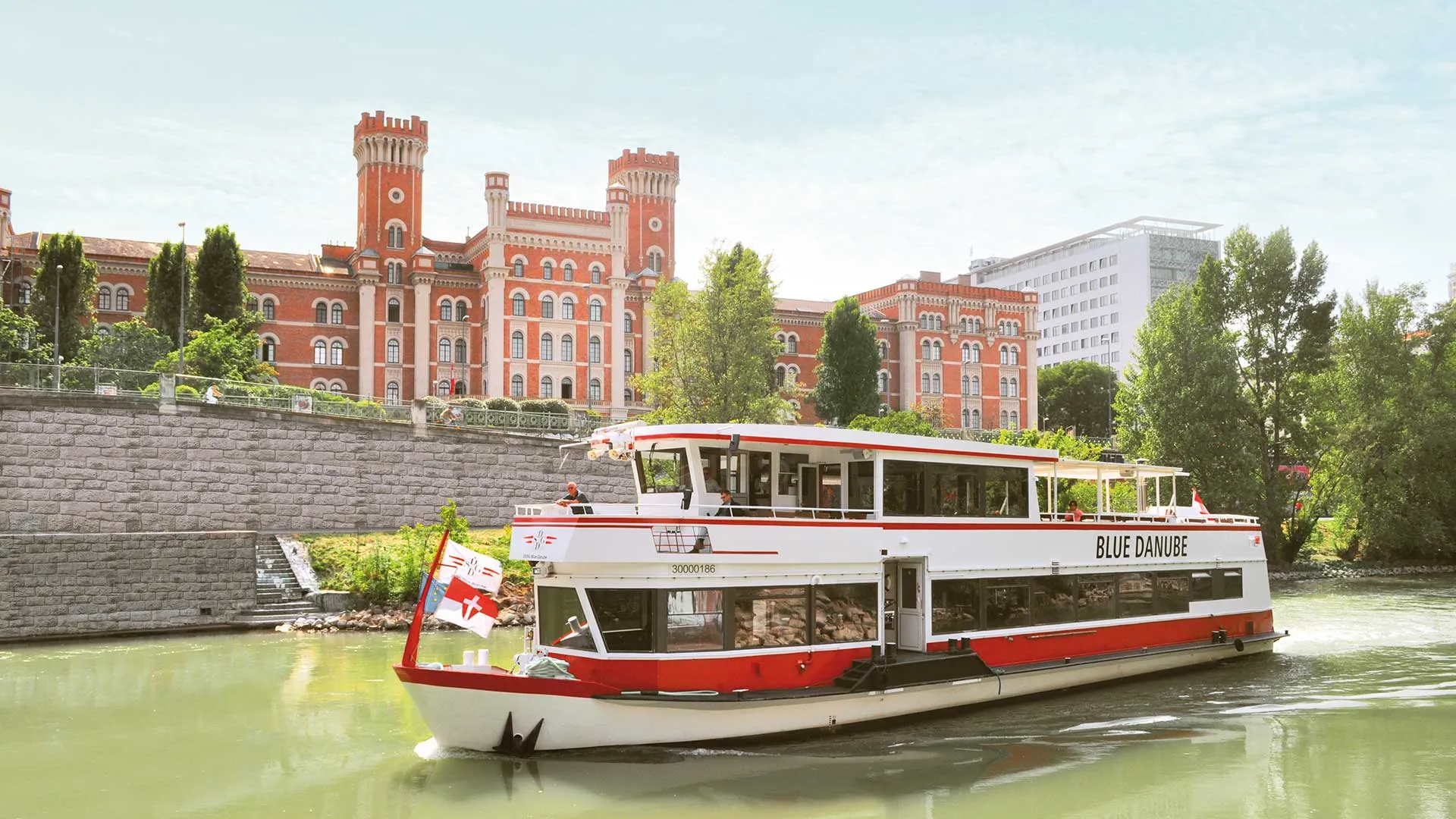
The twentieth century brought conflict, damage, and profound urban change. Infrastructure corridors, including bridges and river-linked facilities, carried strategic significance during wartime and became priorities in reconstruction afterward. Rebuilding was not only about replacing what was lost; it was also an opportunity to modernize systems and rethink how neighborhoods connected to the water.
In the decades that followed, Vienna gradually redefined parts of its waterfront from purely functional zones into mixed civic spaces. Recreation, culture, mobility, and ecology began to coexist more visibly. Cruising past these layers today, you can read traces of disruption and recovery in the built environment: repaired connections, updated embankments, and districts that turned necessity into renewal.
Locks, ports and modern infrastructure
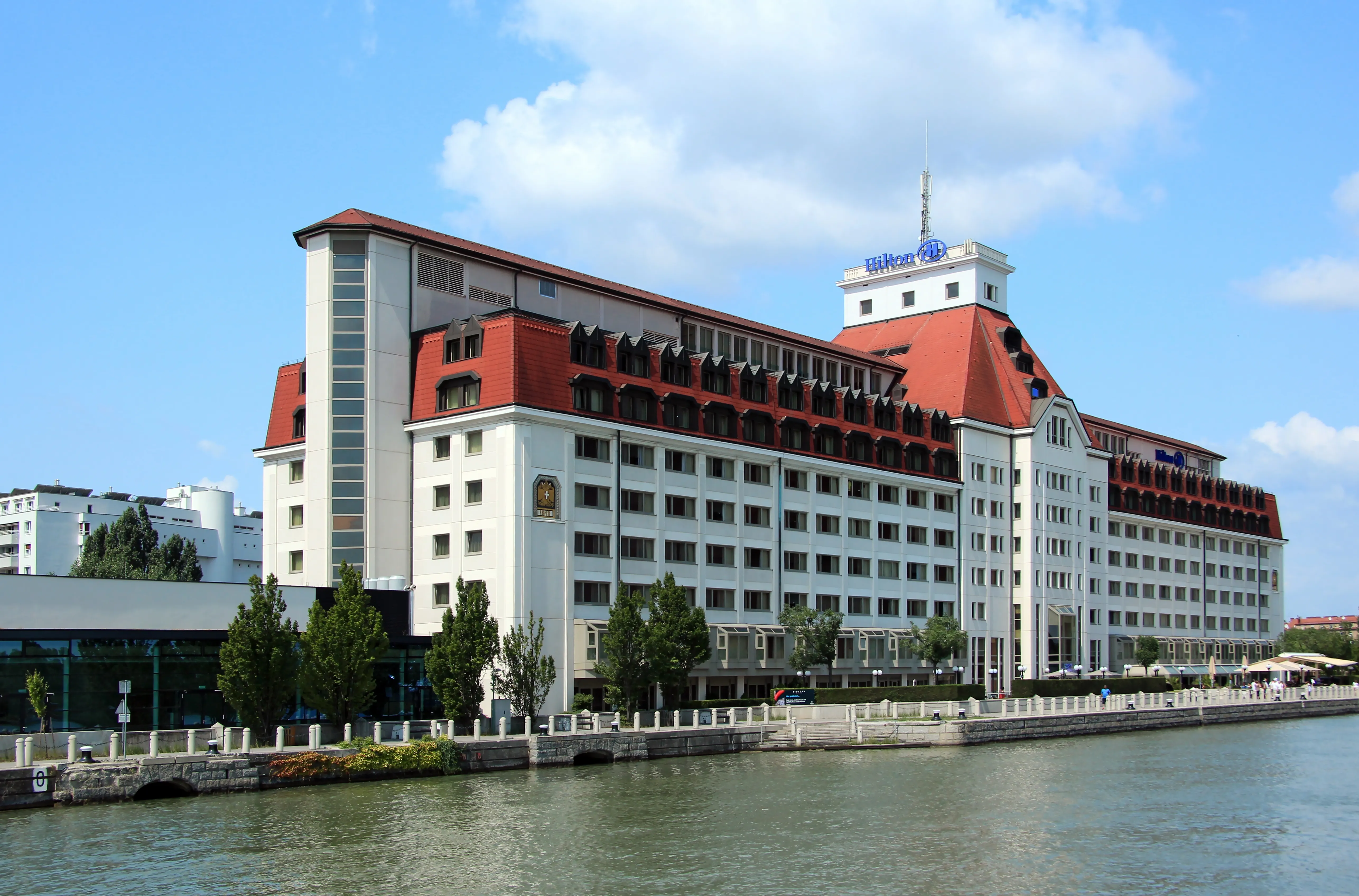
Behind every smooth sightseeing departure is a complex logistical system. Locks regulate water movement and vessel passage, port operations coordinate freight and service activity, and technical standards govern navigation safety. For visitors, these systems often remain in the background, but they are central to how the river functions as both transport corridor and leisure destination.
Seeing a lock operation during a cruise is often a highlight because it reveals the river's engineered choreography in real time. Water levels adjust, gates open and close, vessels move precisely, and the city keeps flowing around it all. This blend of utility and spectacle captures Vienna's practical elegance: technical infrastructure doing serious work without losing visual and civic appeal.
Art, music and public life by the water
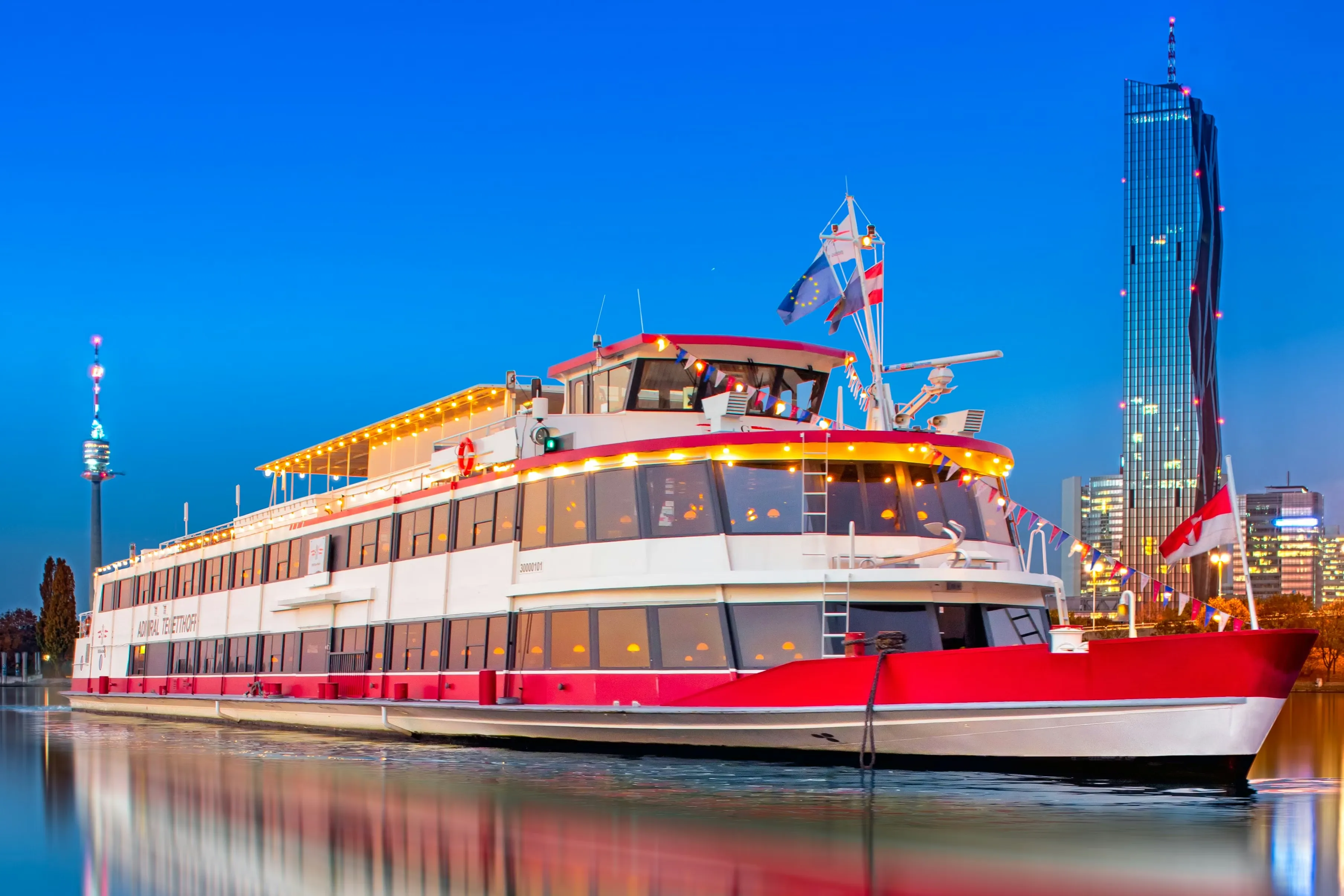
Vienna's global image is deeply musical, but the city's creative life extends far beyond formal concert halls. Along river spaces, contemporary art, street culture, pop-up events, and seasonal programming bring a different energy that complements classical heritage. Walls become canvases, quays host gatherings, and waterfront promenades shift character from day to night.
For cruise passengers, this means the journey is never only about monuments. It is also about seeing how locals inhabit and reinterpret the river in everyday life. One hour may show calm residential stretches; the next reveals lively social scenes under illuminated bridges. This variation is part of what makes Vienna river travel feel alive rather than museum-like.
Cruising Vienna today
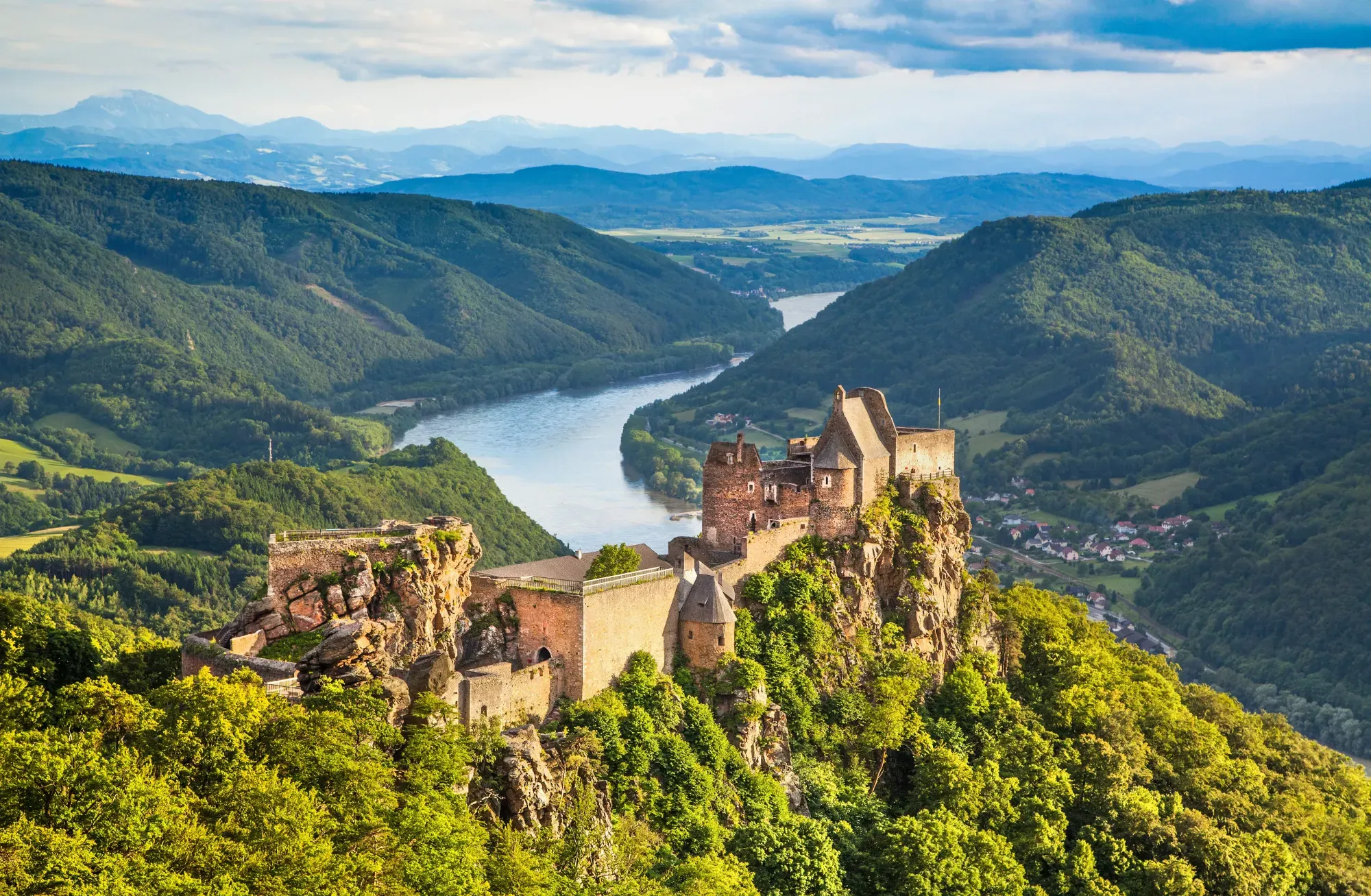
Today's cruise market in Vienna offers a broad spectrum: short scenic loops, sunset departures, dining experiences, and occasional themed sailings. This variety allows travelers with different budgets and interests to find a suitable option, whether they want simple orientation, a romantic evening, or a deeper historical atmosphere.
Smart planning improves the experience significantly. Choosing the right departure window, understanding route differences, and checking boarding details can turn a good cruise into an excellent one. If your priority is photography, light conditions matter; if your priority is quiet, weekday mornings may suit you best. The flexibility of current offerings is a strength, but it rewards informed choices.
Sustainability and river stewardship
As climate pressures and urban density increase, river stewardship has become more important than ever. Water quality management, habitat protection, and resilient infrastructure planning are now central to how Vienna approaches its waterways. Tourism plays a role too: responsible operators and mindful visitor behavior can reduce pressure on sensitive river environments.
Choosing operators that communicate sustainability practices, minimizing onboard waste, and respecting riverside spaces are small actions with cumulative impact. River tourism works best when beauty and access are balanced with care. The future of Vienna cruising depends not only on demand but on long-term commitment to ecological and civic responsibility.
Day trips and wider Danube connections
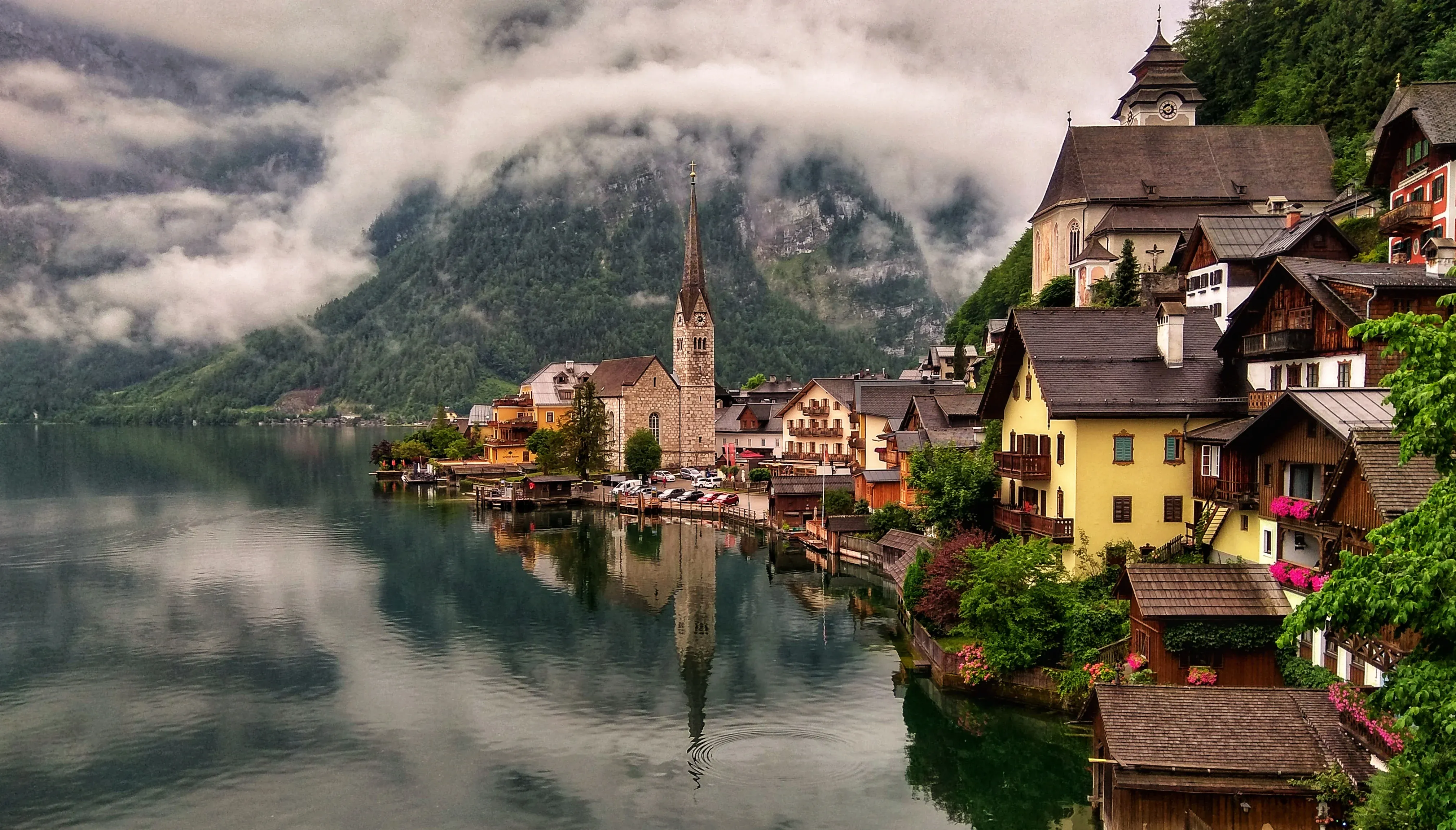
Vienna's river identity does not end at the city limits. The wider Danube corridor links the capital to regional landscapes, historic towns, vineyards, and long-distance cultural routes across Europe. Even if your ticket is city-based, understanding this broader context enriches the experience because it frames Vienna as one point in a much larger river world.
Many visitors combine urban cruising with regional excursions, whether by rail, road, or longer river itineraries. This layered approach reveals how the Danube supports both metropolitan life and countryside traditions. The city cruise becomes a gateway, not a standalone event, and helps travelers read Vienna as part of a living continental network.
Why river travel reveals Vienna's identity
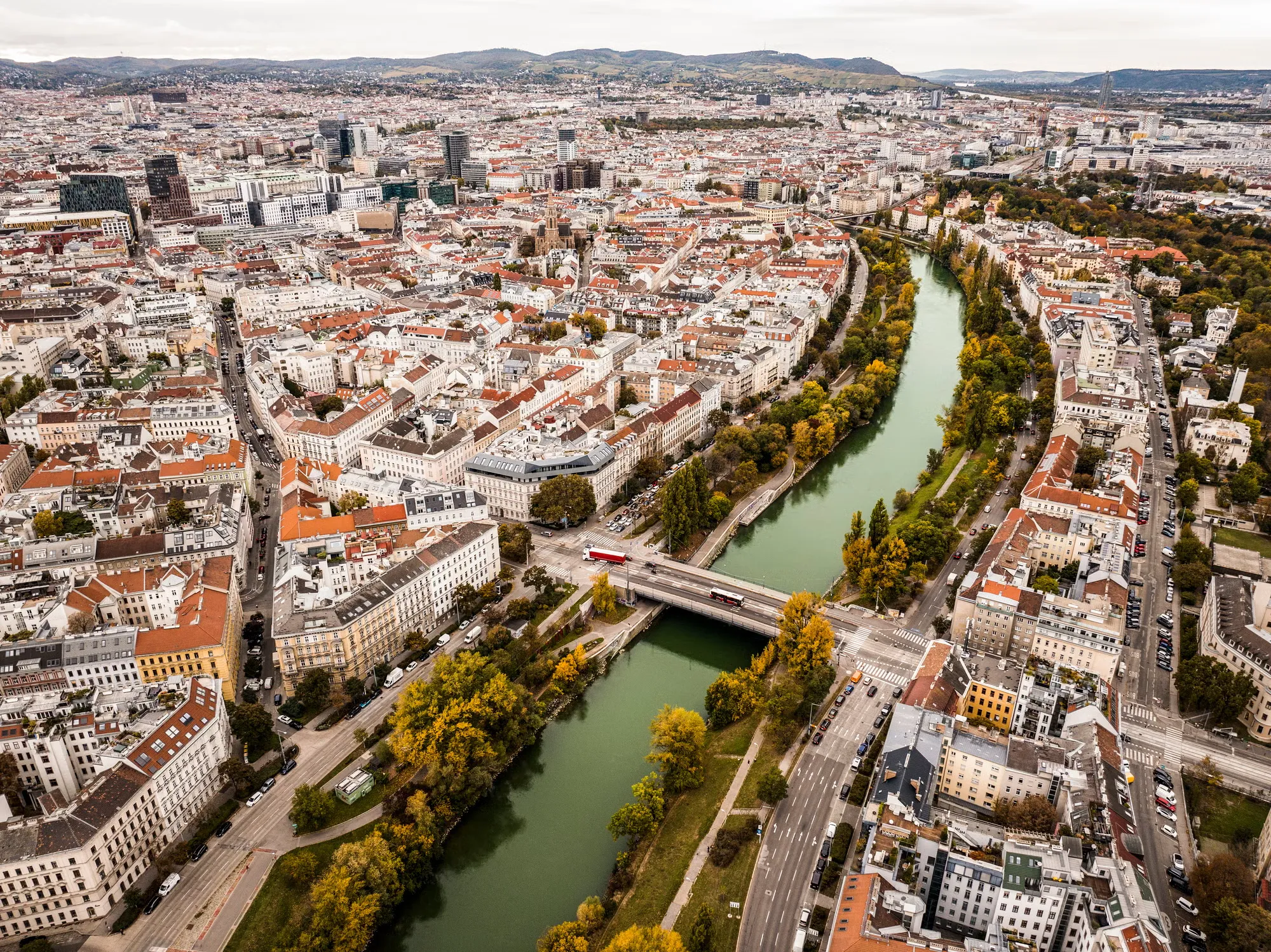
On a map, river routes might look like simple lines. In reality, they are narrative threads that tie together architecture, engineering, politics, commerce, leisure, and memory. A cruise lets you witness these threads in sequence, with enough distance to see patterns and enough proximity to notice texture.
By the end of the journey, Vienna often feels more coherent. Districts that seemed separate connect visually, historical periods overlap naturally, and the city's famous elegance appears less as surface style and more as a long habit of adaptation. That is why a Danube cruise can be surprisingly meaningful: it offers not just scenic pleasure, but a deeper way to understand how Vienna became Vienna.
Table of Contents
From frontier settlement to imperial city
Long before Vienna became synonymous with imperial palaces and concert halls, its fate was tied to water. In Roman times, nearby river corridors served as strategic boundaries and movement routes along the edge of the empire. Settlements grew where transport, defense, and trade overlapped, and over centuries these practical concerns evolved into an urban identity. What later became Vienna did not rise in isolation from the river landscape; it emerged because rivers linked people, goods, and ideas across Central Europe.
As dynasties rose and political power concentrated, Vienna transformed into a major administrative and cultural center, yet the river remained a constant force behind that growth. Grain, timber, stone, wine, and craftsmanship all moved through river-connected systems. By the time the Habsburg court projected Vienna as an imperial capital, the city had already learned a durable lesson: control of movement, access, and waterways was as important as monumental architecture. A modern cruise, quiet and comfortable as it may feel, still follows this deeper geography of connection and influence.
The Danube before modern regulation
The Danube once behaved very differently around Vienna. Before large-scale engineering regulation in the nineteenth century, the river spread through multiple channels, shifting banks, floodplains, and islands. Communities adapted as best they could, but unpredictability was part of life. Seasonal floods could damage infrastructure, alter trade routes, and reshape local settlement patterns in a matter of days.
This unstable river system created both hardship and opportunity. Fertile floodplain areas supported agriculture, while changing channels offered transport access in some years and blocked it in others. Over time, the need for reliability became urgent, not only for safety but for economic planning. Understanding this earlier, wilder Danube helps modern visitors appreciate why Vienna invested so heavily in hydraulic engineering and why contemporary cruise routes feel so controlled compared with the historic river landscape.
Canals, trade and the making of neighborhoods
The Danube Canal played a crucial role in shaping urban Vienna. More than a scenic waterway, it acted as a commercial spine where goods arrived, were exchanged, and moved inland. Warehouses, workshops, taverns, and service trades clustered nearby, giving districts along the water a practical, industrious character that differed from ceremonial imperial boulevards.
As trade intensified, these waterfront zones became socially layered places where merchants, laborers, craftspeople, and travelers crossed paths daily. Over generations, utilitarian river spaces gained cultural texture, and many former working zones later evolved into lively mixed-use neighborhoods. When you cruise here today, passing murals, terraces, and restored embankments, you are seeing a landscape that has repeatedly reinvented itself while preserving the memory of commerce and movement.
Bridges, mobility and city expansion
Bridges changed Vienna's internal logic. Each new crossing reduced separation between districts and made labor, housing, and services more mobile. What had once felt peripheral became connected, and city growth accelerated outward in new patterns. River crossings were not just technical solutions; they were social and economic multipliers that redefined access.
From a cruise deck, bridges can seem purely scenic, but historically they represented commitment, capital, and political intent. They linked markets, rail corridors, and later road systems, supporting Vienna's transition from imperial center to modern metropolis. Watching contemporary traffic move above your vessel is a reminder that river infrastructure is never static: each generation builds on inherited routes to solve new mobility needs.
Flood control and engineering transformation
Few chapters in Vienna's river history are as consequential as flood control. Large-scale works, including channel regulation, embankments, and later protective systems, were designed to reduce risk while improving navigability. These projects demanded decades of planning, funding, and technical experimentation, and they permanently transformed both the physical river and the city's sense of security.
The result was not merely protection from high water. Regulated channels enabled more predictable transport, supported new development, and made long-term waterfront planning possible. In effect, Vienna converted a fluctuating hazard into managed urban infrastructure. Modern cruise comfort, from steady routes to scheduled departures, depends on this historical engineering legacy that is easy to overlook but foundational to the experience.
Imperial culture and waterfront leisure
Imperial Vienna is often imagined through palaces, opera houses, and ceremonial avenues, yet leisure by the water also formed part of urban life. Promenades, river views, and social outings along waterfront areas offered alternatives to courtly spaces. Over time, riverside settings became places where different social groups shared public life, whether through festivals, music, cafes, or simple evening walks.
This blending of culture and river space still shapes Vienna's atmosphere today. A cruise may include refined dining, live music, or quiet observation from an open deck, but beneath those modern experiences is a longer tradition of using water as a stage for civic identity. The river is not outside Vienna's cultural narrative; it is one of its most persistent backdrops.
War, reconstruction and a new urban river
The twentieth century brought conflict, damage, and profound urban change. Infrastructure corridors, including bridges and river-linked facilities, carried strategic significance during wartime and became priorities in reconstruction afterward. Rebuilding was not only about replacing what was lost; it was also an opportunity to modernize systems and rethink how neighborhoods connected to the water.
In the decades that followed, Vienna gradually redefined parts of its waterfront from purely functional zones into mixed civic spaces. Recreation, culture, mobility, and ecology began to coexist more visibly. Cruising past these layers today, you can read traces of disruption and recovery in the built environment: repaired connections, updated embankments, and districts that turned necessity into renewal.
Locks, ports and modern infrastructure
Behind every smooth sightseeing departure is a complex logistical system. Locks regulate water movement and vessel passage, port operations coordinate freight and service activity, and technical standards govern navigation safety. For visitors, these systems often remain in the background, but they are central to how the river functions as both transport corridor and leisure destination.
Seeing a lock operation during a cruise is often a highlight because it reveals the river's engineered choreography in real time. Water levels adjust, gates open and close, vessels move precisely, and the city keeps flowing around it all. This blend of utility and spectacle captures Vienna's practical elegance: technical infrastructure doing serious work without losing visual and civic appeal.
Art, music and public life by the water
Vienna's global image is deeply musical, but the city's creative life extends far beyond formal concert halls. Along river spaces, contemporary art, street culture, pop-up events, and seasonal programming bring a different energy that complements classical heritage. Walls become canvases, quays host gatherings, and waterfront promenades shift character from day to night.
For cruise passengers, this means the journey is never only about monuments. It is also about seeing how locals inhabit and reinterpret the river in everyday life. One hour may show calm residential stretches; the next reveals lively social scenes under illuminated bridges. This variation is part of what makes Vienna river travel feel alive rather than museum-like.
Cruising Vienna today
Today's cruise market in Vienna offers a broad spectrum: short scenic loops, sunset departures, dining experiences, and occasional themed sailings. This variety allows travelers with different budgets and interests to find a suitable option, whether they want simple orientation, a romantic evening, or a deeper historical atmosphere.
Smart planning improves the experience significantly. Choosing the right departure window, understanding route differences, and checking boarding details can turn a good cruise into an excellent one. If your priority is photography, light conditions matter; if your priority is quiet, weekday mornings may suit you best. The flexibility of current offerings is a strength, but it rewards informed choices.
Sustainability and river stewardship
As climate pressures and urban density increase, river stewardship has become more important than ever. Water quality management, habitat protection, and resilient infrastructure planning are now central to how Vienna approaches its waterways. Tourism plays a role too: responsible operators and mindful visitor behavior can reduce pressure on sensitive river environments.
Choosing operators that communicate sustainability practices, minimizing onboard waste, and respecting riverside spaces are small actions with cumulative impact. River tourism works best when beauty and access are balanced with care. The future of Vienna cruising depends not only on demand but on long-term commitment to ecological and civic responsibility.
Day trips and wider Danube connections
Vienna's river identity does not end at the city limits. The wider Danube corridor links the capital to regional landscapes, historic towns, vineyards, and long-distance cultural routes across Europe. Even if your ticket is city-based, understanding this broader context enriches the experience because it frames Vienna as one point in a much larger river world.
Many visitors combine urban cruising with regional excursions, whether by rail, road, or longer river itineraries. This layered approach reveals how the Danube supports both metropolitan life and countryside traditions. The city cruise becomes a gateway, not a standalone event, and helps travelers read Vienna as part of a living continental network.
Why river travel reveals Vienna's identity
On a map, river routes might look like simple lines. In reality, they are narrative threads that tie together architecture, engineering, politics, commerce, leisure, and memory. A cruise lets you witness these threads in sequence, with enough distance to see patterns and enough proximity to notice texture.
By the end of the journey, Vienna often feels more coherent. Districts that seemed separate connect visually, historical periods overlap naturally, and the city's famous elegance appears less as surface style and more as a long habit of adaptation. That is why a Danube cruise can be surprisingly meaningful: it offers not just scenic pleasure, but a deeper way to understand how Vienna became Vienna.